





















In questo articolo
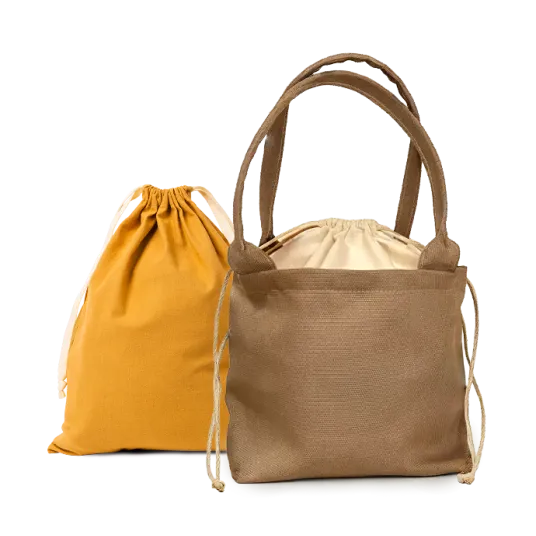
How to make fabric bags? This is a question we are often asked, but it is difficult to answer in a few words because a bag made with fabric is not just a simple cotton canvas bag.
A fabric bag can take many shapes, often complex and technically challenging to produce.
Behind every creation lies material selection, meticulous work, precision, and creativity, but above all, there is an idea. The idea of someone wishing to create packaging that is beautiful, durable, and perhaps also reusable over time.
We know this well because our job is to make the customer's idea tangible when entrusted with the production of their custom bags. The Sacchetti di Tessuto.it project in particular was born more than ten years ago in Abruzzo, from collaboration with local master artisans and produces exclusively customizable fabric packaging, 100% Made in Italy.
In this article, we share with you all the necessary steps to produce fabric bags: the work phases we have developed over the years.
Material selection: before the bags, there are the fabrics
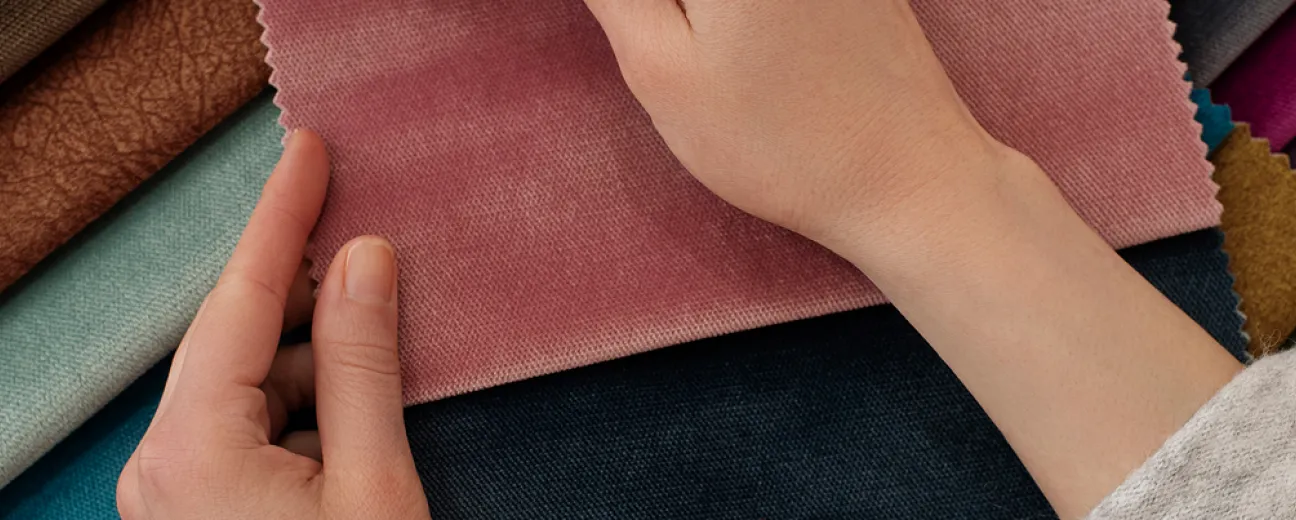
The starting point is the selection of fabrics, which at Sacchetti di Tessuto must be as ecological and sturdy as possible. For this reason, we do not buy pre-made or imported products: we want to guarantee our customers packaging of the highest quality, fully customizable. Therefore, we choose the best fabrics—especially natural fabrics such as cotton, linen, hemp, jute, and yuco—paying attention to their durability, which is essential for producing a bag that lasts over time! Poor-quality fabric can, in fact, tear or wear out more easily and may not withstand the weight of the items it must contain.
Thus, the first step to making fabric bags that can be used and reused for a long time is to choose quality materials.
Tip: If the bag is DIY, many recycled materials can be used! For example, a cotton t-shirt, an old linen shirt, or a fabric tablecloth that is no longer used.
From the idea to the design: before weaving a single thread, make a sketch!
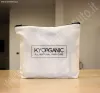
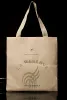
When a customer contacts us to produce their custom fabric bags, they usually already have an idea in mind. It may be a simple bag—such as the classic cotton shopper—or a more complex packaging, like a pouch for cosmetic products or a made-to-measure bag to hold a food product.
They may have a specific graphic in mind—for example, they want to print a multicolor design or a gold-colored inscription—or perhaps the project is simpler. In all cases, before making the bag, it is necessary to create a design to have an idea as close as possible to the final result.
Putting the idea black on white—in our case on the computer with a digital render—is very important because from the drawing it is possible to understand the proportions to be respected, which colors are most suitable, and whether the graphic really fits the shape of the bag.
During the project phase, it is crucial to know:
- which objects the bag must contain
- what type of fabric to use and what color
- how large it must be
- what type of graphics to create
- which technique to use to customize the bag: screen printing, hot foil stamping, or—why not?—embroidery.
For example, we create a very precise graphic draft: a digital render of the bag with the final color and correctly sized graphics to understand the actual proportions. Once the customer approves the render, we produce a paper pattern: the representation on paper of the fabric cutouts that will be matched.
The bag takes shape: production begins
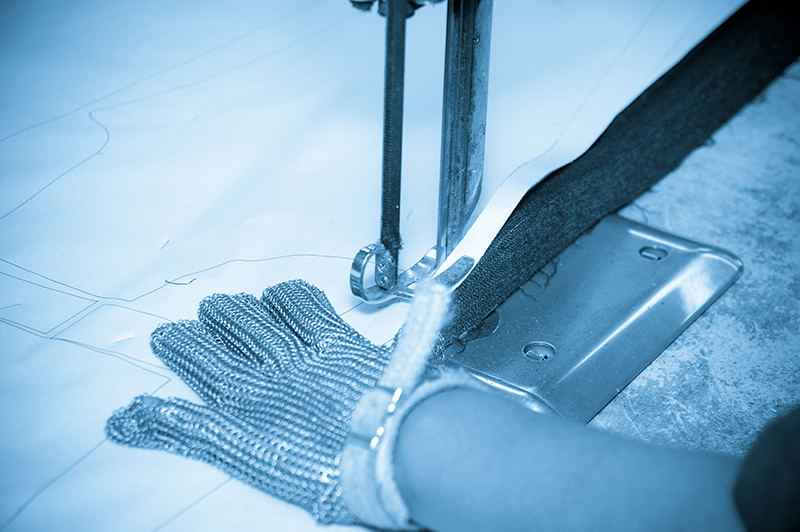
At this point, the actual production of the fabric bag begins, which in our company follows these stages:
1 - Fabric cutting - We cut the rolls of the chosen fabric to obtain the shape outlined in the paper pattern: two fabric pieces perfectly matching.
2 - Printing - The cut pieces pass to the printing area. Here, depending on the chosen technique, we work the fabrics in different ways. For example, if the graphic requires vivid colors and very precise printing, we use screen printing: the ink passes from the screen frame to the fabric, penetrating the fibers. If the quantity of bags to produce is small, we can use hot foil stamping.
In some cases, we can also use embroidery, which involves sewing the graphic directly onto the fabric, giving the bag a more elegant and refined appearance.
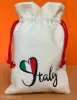
3 - Application of decorations - After printing, we apply small decorations that enhance the bag: cords, beads, zip closures, or drawstring closures.
The final phase: finishing!
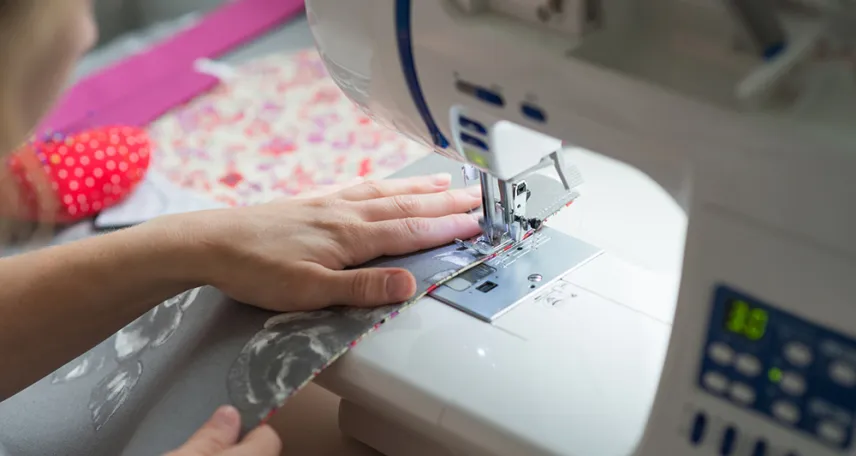
The final phase is finishing. Now, the fabric bag is practically complete, and we proceed with the final stitching, which will be strong, clean, and neat. This is a very important step because even the most durable fabric can tear if the stitching is not well done!
The edges are sewn along and reversed—these are internal seams—to keep the threads invisible. In fact, unless the project specifically requires it, often a bag with visible seams is not of good quality.
Making some bags is more complicated because the project is complex and the fabric is difficult to work with.
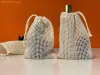
What you have just read are the main steps to produce fabric bags, but the process can become much more complicated if, for example, the material is mesh fabric, quilted fabric, or velvet and if the project is very specialized.
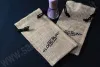
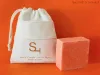
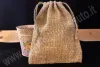
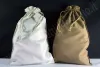
Fabric bags can indeed take many forms and sometimes may not look at all like the cotton shopper bags we normally think of! They can be tiny and almost transparent or can appear as small backpacks, even though they are fully fabric bags.
Do you want to know how many types of fabric bags exist?
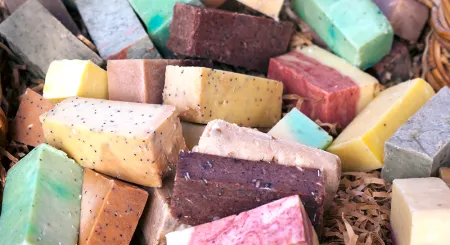
Browse our catalog. From bags for solid soap to mesh bags for the vending sector, from mesh bags for cosmetics to bread bags, there are many ideas and many bags to produce!