
























In questo articolo
The fabric packaging sector is increasingly developed. Every industry has its own needs, and even the choice of one fabric over another makes a difference in the presentation of products… and therefore in the company's marketing.
There are brands producing items with delicate compositions that seek natural fabrics, while other sectors require more durable packaging. The best fabrics from these perspectives are two: microfiber and cotton.
In this article, we will talk about them because we want to help you understand which to choose if you are unsure which of these two fabrics is right for you. Indeed, although they appear very different, they actually share some common traits.
Microfiber and cotton: similarities and differences
The differences between microfiber and cotton begin with their history: cotton comes from an Asian plant found in nature and is an ancient fiber. The earliest evidence of its presence dates back 9,000 years, and over this time it has been processed and used in many different ways. Microfiber, on the other hand, was developed in the 1980s thanks to human ingenuity and the desire to create a synthetic material that could be soft and shiny like natural fabrics, but much more durable and capable of easily absorbing liquids.
The differences continue in the manufacturing process.
Cotton fabric production consists of collecting the fiber into skeins which, depending on how they are woven, can produce various fabric types: canvas cotton, raw cotton, melange, jersey…
The microfiber manufacturing process is called microfilament spinning and involves splitting a fiber which can be natural (cotton, viscose, and so on) or synthetic (propylene, polyester, polyamide).
The most common types of microfiber include:
- acrylic fiber microfiber;
- nylon microfiber;
- polyester microfiber;
- hybrid fibers.
Characteristics of microfiber and cotton fabrics
The introduction of microfiber to the fabric world was revolutionary because it adds greater resistance to tearing and liquids to cotton’s characteristics. These qualities have enabled its application across various fields.
However, it is an artificial fabric that involves the processing of often synthetic and/or less sustainable fibers, especially when compared to cotton. Cotton, in fact, is a 100% natural, biodegradable, ecological, recyclable fabric with a composition of approximately 95% cellulose.
Additionally, cotton is also:
- lightweight and soft;
- highly absorbent;
- hypoallergenic;
- air permeable and breathable;
- helps disperse body heat.
Now that we know their shared and differing features, we just need to understand how to choose the right fabric for your brand!
Fabric packaging for your marketing: the right fabric for every product
Packaging is a fundamental part of product presentation; it helps add value to each item it contains and to the brand itself.
Each industry, however, has different needs, so choosing the right packaging can make a difference. For example, if you want packaging with minimal environmental impact, you can opt for natural materials like cotton, jute, linen or hemp. Fabrics such as velvet, microfiber or satin may be the best solution for sectors requiring a more luxurious aesthetic or greater resistance to weight and tearing.
Cotton and microfiber are therefore both valid options, chosen according to the purpose of your brand.
Now let's look specifically, industry by industry, at the best choice for your products.
Cosmetics? Thumbs up for cotton!
When we talk about cosmetics, we refer to items that require packaging that is safe both for the products and the health of those who buy them.
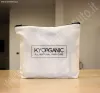
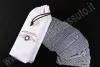
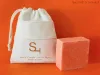
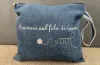
The most suitable fabric is cotton, which is natural and certified, even hypoallergenic. Our bags and pouches for cosmetics are made entirely from eco-sustainable materials and are 100% Made in Italy, like this cosmetic pouch in Oeko-Tex® certified canvas cotton fabric, customizable with your company logo using water-based inks.
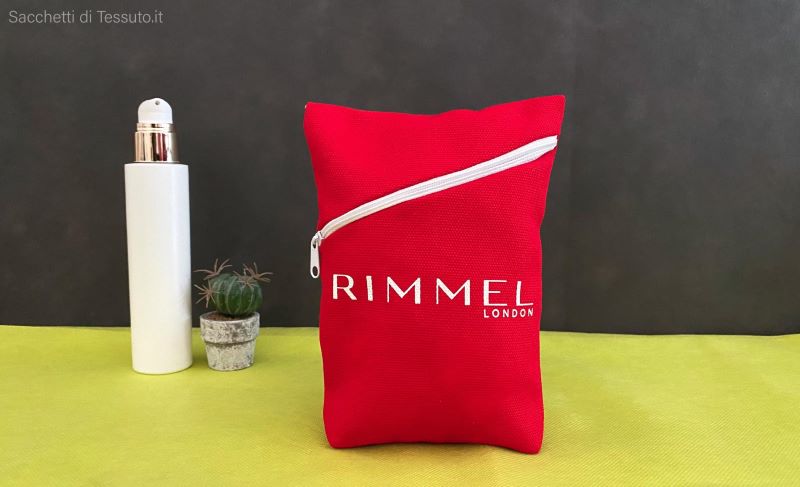
You can use it to create promotional kits containing multiple beauty products, display it at trade fair stands, or use it as packaging for online store purchases. Thanks to the front zip closure, the bag is also convenient for travel, preventing the contents from spilling out.
With cotton, you always make a safe choice when looking for packaging for cosmetic products, but you should know that in recent years microfiber has also found its place in the sector.
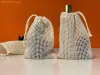
One of the latest trends is using microfiber cloths for makeup removal! Gently but firmly rubbed on the face, they remove makeup residue without irritating the skin.
Fashion, leather goods, and hi-tech: a functional and elegant choice
In recent years, the fashion industry has revolutionized the concept of fabrics through less polluting production methods and the use of low environmental impact packaging.
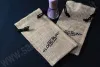
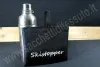
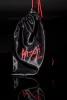
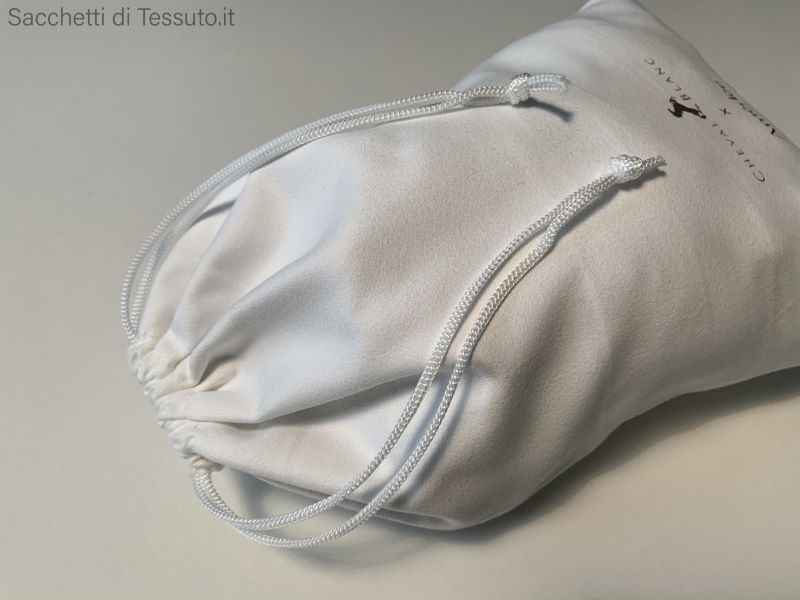
Depending on the product, it might be worth choosing one fabric over another. For example, for brands offering premium leather goods, the microfiber suede fabric bag is practical, elegant, and functional packaging: the suede fiber makes it similar to alcantara; it is soft, durable, and even self-cleaning and self-polishing. Ideal for those who need to transport products to trade fairs or store shoes and bags in closets, keeping contents clean and protected from dust.
Food and catering: better with natural fabrics!
For the food sector, it is preferable to use natural fabrics: cotton, but also jute or hemp.
Food items like bread, cured meats, and cheese are fragile and prone to quick spoilage, so materials that are naturally breathable, certified, and absorbent are more suitable.
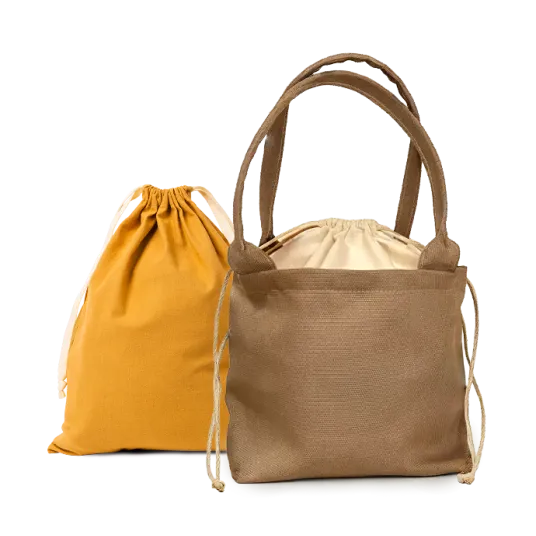
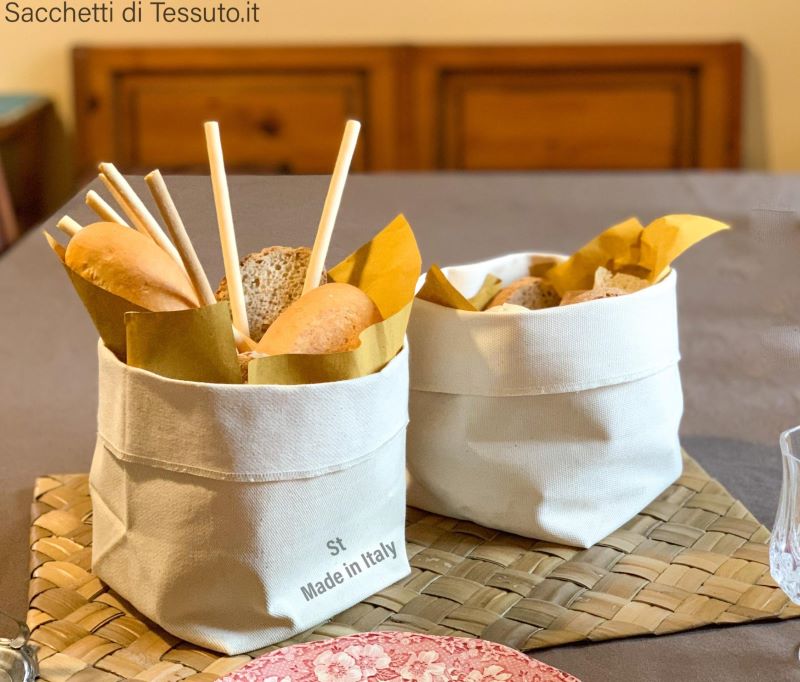
For example, to display bread in a shop window or to set a restaurant table, a bag like this certified cotton bread basket is appropriate; you can place bread, breadsticks, vegetables, and fruit inside:
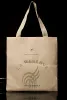
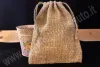
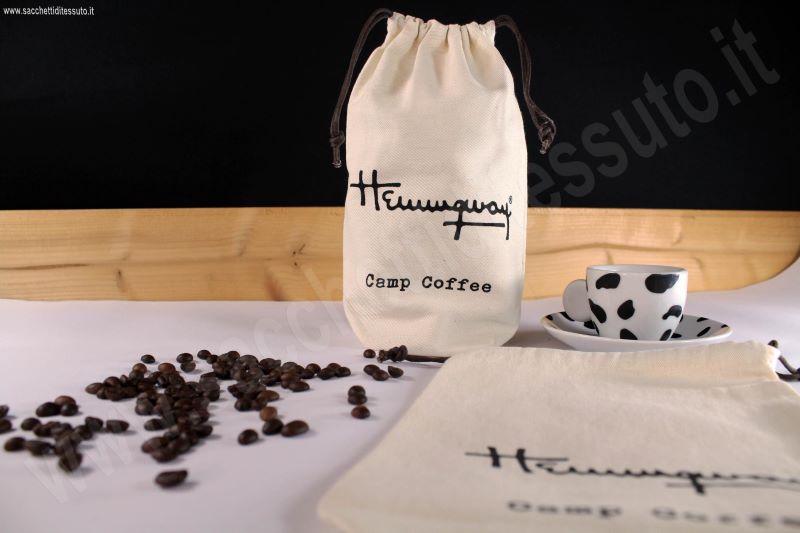
Or, with this heavy natural drill cotton bag, you can print your logo using water-based colors and pack coffee, legumes, and cereals: a fully eco-sustainable package!
Those who do not want to give up microfiber packaging can use it to contain products wrapped in durable containers, such as tin boxes or glass jars.
Jewelry and luxury: cotton for those focused on green, microfiber for added packaging value
Which fabric is best for earrings, sunglasses, and gift boxes?
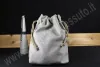
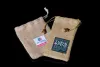
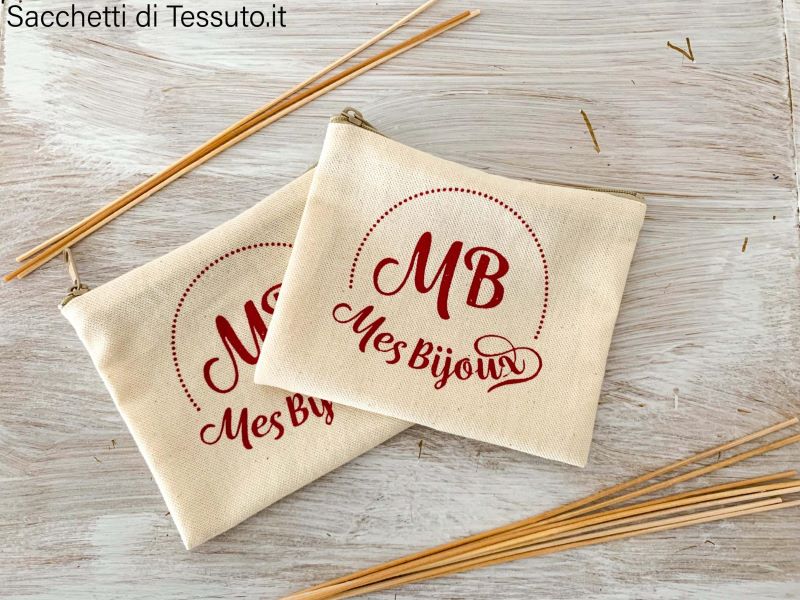
The choice depends on the brand’s needs: those wishing to convey a message of sustainability can do so with this natural raw ecological cotton pouch for jewelry! Simple and practical packaging thanks to the zip closure. The fabric is heavy and robust and can protect even the most delicate pieces of jewelry.
Microfiber is also a more ecological alternative compared to other types of packaging, and in our catalog we offer various options that can protect and appropriately enhance jewelry and luxury products.
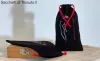
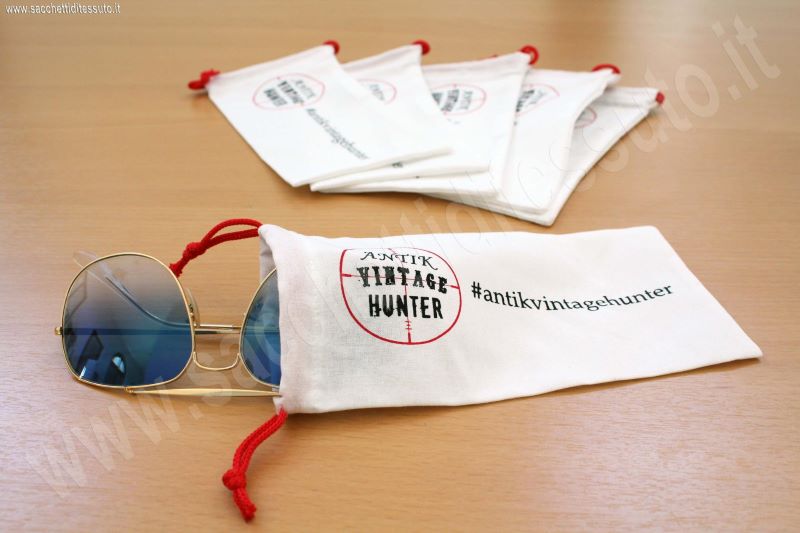
Take, for example, this bag for sunglasses (or prescription glasses). The use of microfiber is recommended here also because it can be used to clean the glasses themselves, being slightly suede-like and very soft.
Which fabric is best for your products?
Cotton and microfiber are just two of the many fabrics we offer at our bag manufacturer: velvet, hemp, jacquard… we can help you create the made-to-measure bag for your products and your company.
Take a look at the catalog to discover our creations!