


























In questo articolo
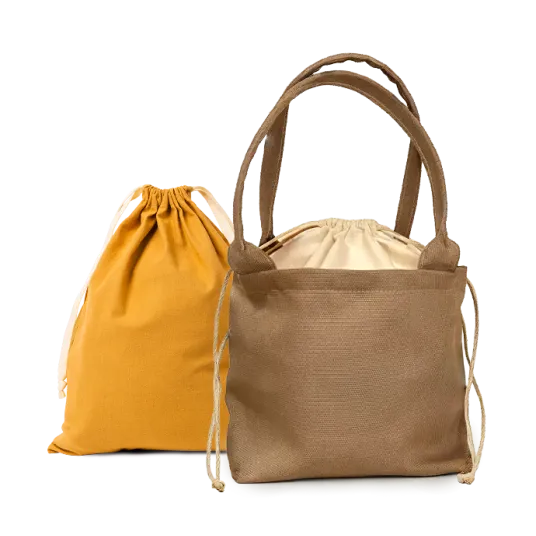
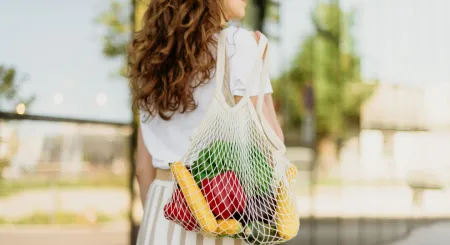
Durable, eco-friendly, and customisable: more and more companies are choosing fabric bags as packaging for their products. From agri-food to cosmetics, this type of packaging proves versatile and well appreciated. This is also thanks to the many varieties to choose from: materials, prints, colors, closures, and details can make a difference and help us select the right bag for our product.
Let's look at 4 ideas to create custom fabric bags that are distinctive and help you promote the green soul of your brand!
Tips to make your custom bags unique
Let's start with the first step: how to choose the most suitable fabric bag for you. There are pouches specifically made for cosmetic products, and other bags designed to guarantee optimal preservation of food or protection for bottles and other glass containers.
Equally important, as we will see, is the aesthetic customisation of the bag. The packaging that holds your product can become your business card. For this reason, it is important not to underestimate the choice of colors, prints, logos, and any decorations that can help promote your brand. You can imagine the custom bag as a blank canvas that all your customers will see: it would be a real shame not to take advantage of this space to convey a message!
1. Every material has its characteristics: cotton, hemp, satin… choose the one best suited to the result you want to achieve
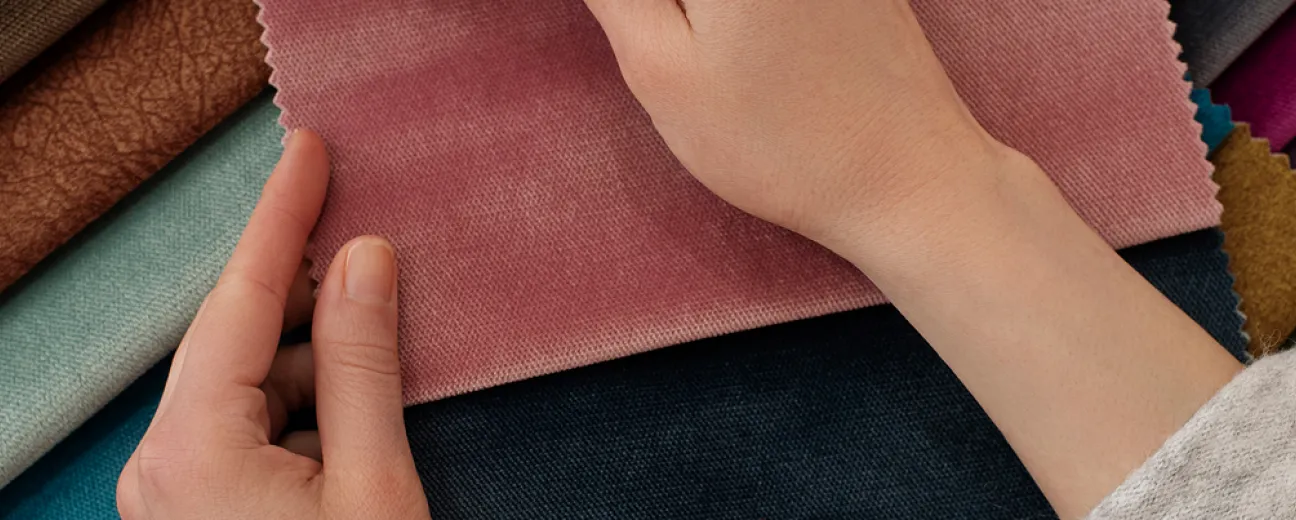
The first choice to make in custom fabric packaging is the material. Each has different functionality and finish. Consider, for example, cotton, hemp, linen, jute: they are perfect for products that emphasize naturalness and eco-sustainability as their hallmark. Conversely, satin is glossy and elegant, ideal for customising the bag intended for luxury cosmetic products: mascara, eyeshadow palettes, lipsticks, and other makeup items from higher-end brands, for example.
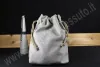
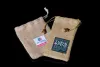
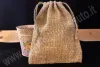
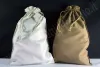
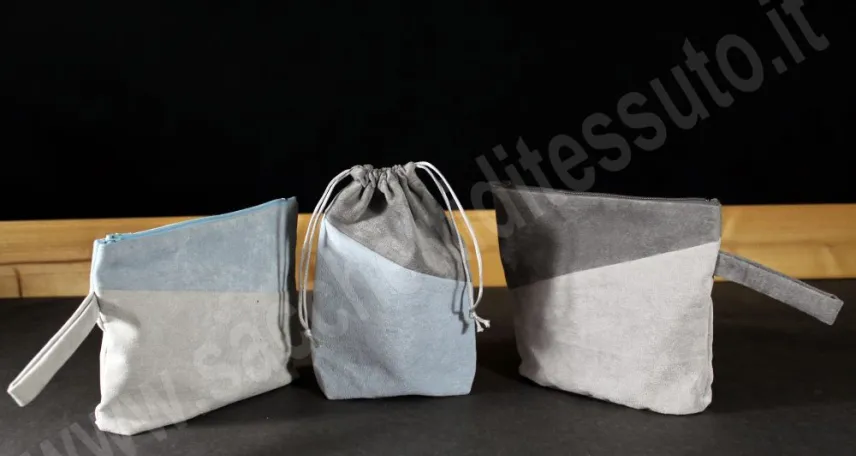
Here you can see how the same product—the fabric bag—when made with different materials, creates different impressions for those who receive it.
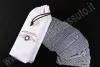
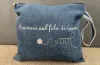
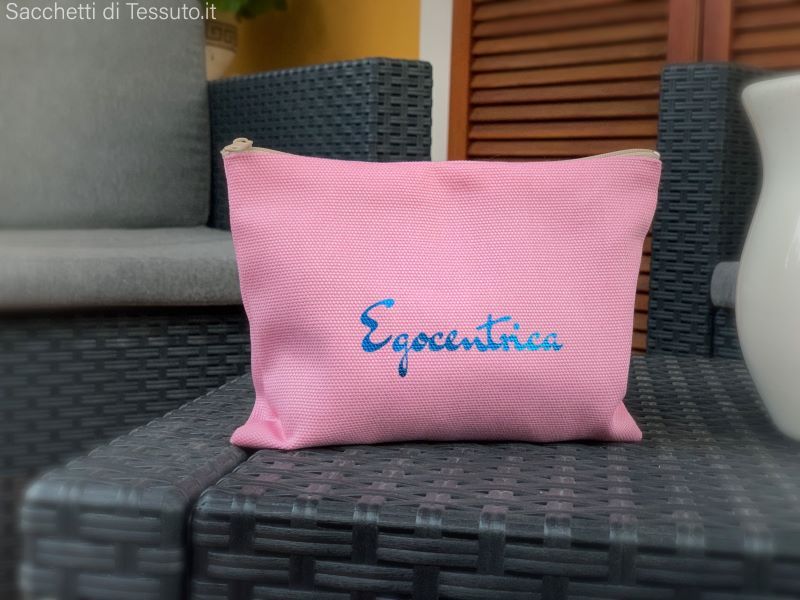
Below is a pouch in printed cotton canvas with hot foil stamping (mirrored effect) and zipper closure: soft yet robust to the touch.
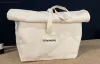
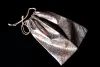
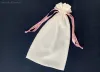
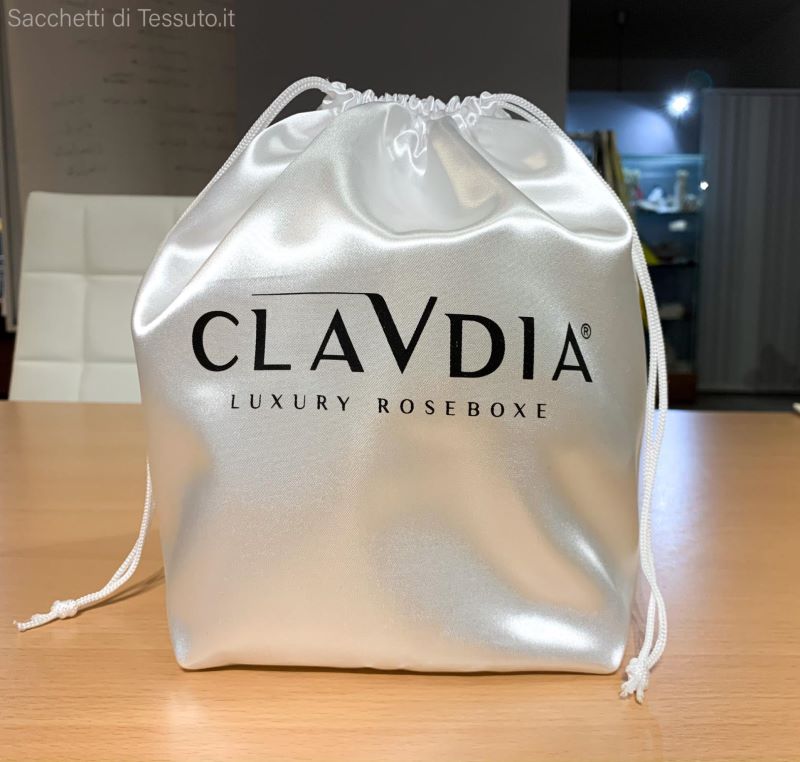
The following is a white satin bag—made to hold luxury gift boxes—glossy to the eye, soft and smooth to the touch.
Cotton, in particular, is an evergreen choice: biodegradable, water-resistant, and hypoallergenic, it is suitable for almost any type of packaging. It is also widely used as packaging for clothing, knitwear, children's clothes, and other accessories, ideal for emphasising a brand's commitment to supply chain sustainability.
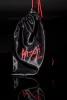
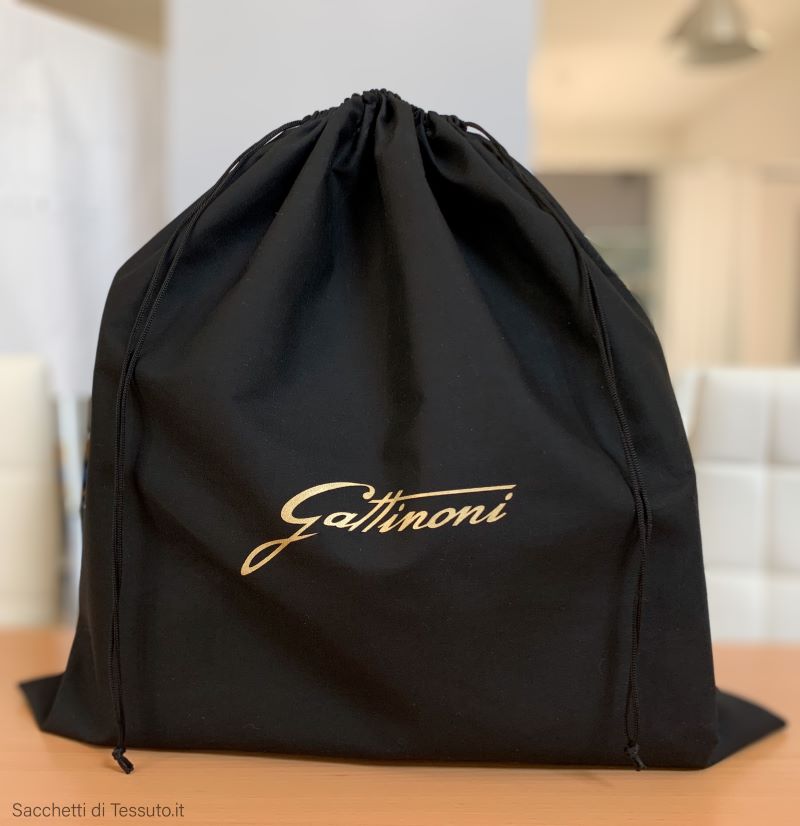
Here it is in black version: a cotton bag with gold print for containing handbags and leather goods accessories.
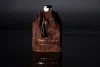
For particularly elegant packaging—such as for party favors, celebrations, and other festivities—you can customise a bag by choosing velvet. Bright and soft, it immediately conveys an idea of prestige, which is why it is also appreciated in the luxury sector, in perfumery, and for packaging fine liquors and oils.
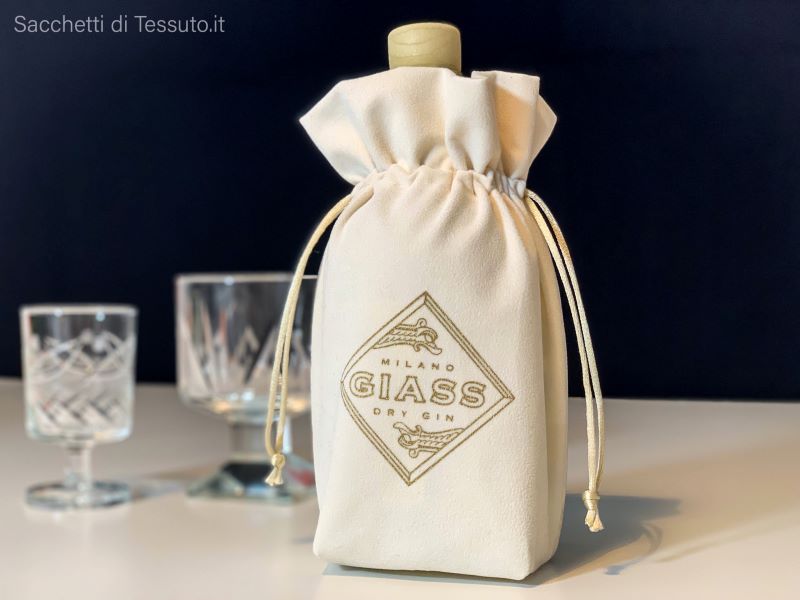
2. Color and shape as we like: custom fabric bags adapt to any shape
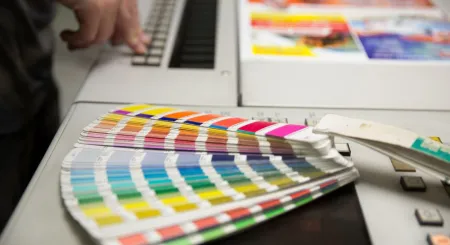
All materials most suitable for eco-friendly packaging can be dyed in various natural colors. There are the most natural beiges, but not only. A black bag, for example, is suitable for luxury products; pink can be used for items intended for care and hygiene, while red is perfect for attracting attention and, therefore, for important events and special occasions.
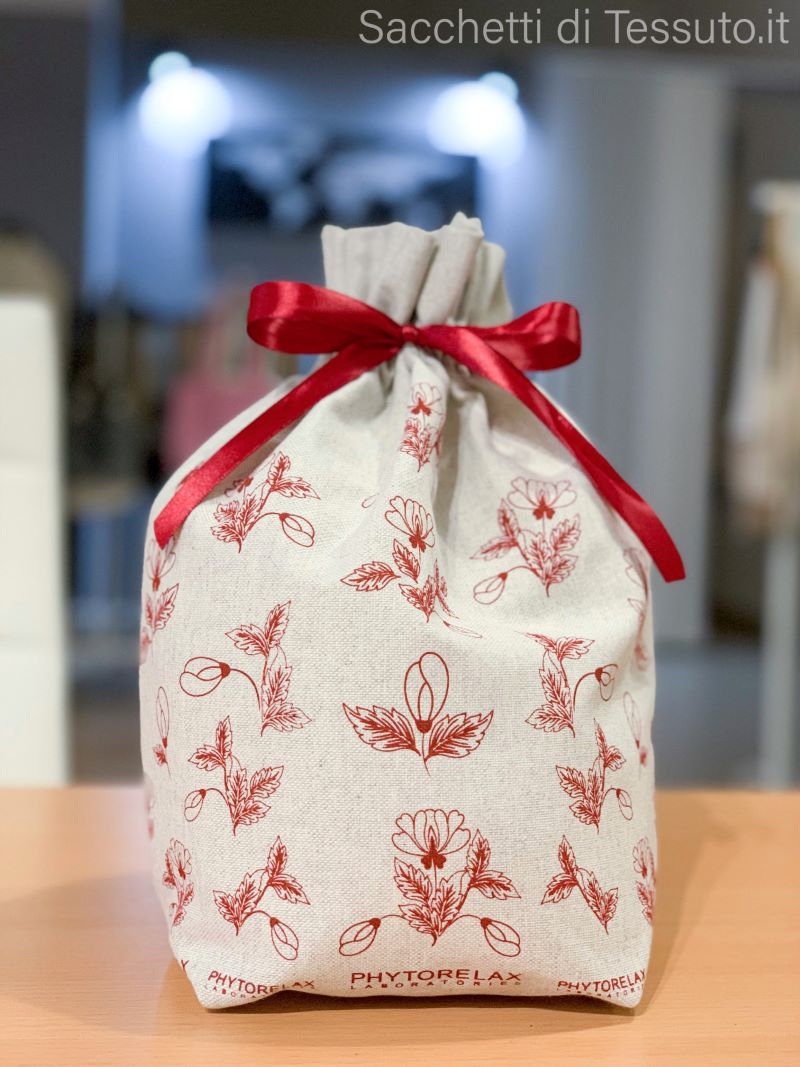
If we like the idea of offering customers a colored bag but want to do so in an ecological and sustainable way, we can maintain the natural hue of the chosen material and enhance the bag with a special print, for example with leaves, herbs, and flowers that give the packaging an inimitable look!
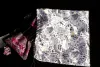
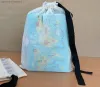
Here is an example—you can see it below, in this grey melange cotton gift bag—a delicate floral pattern gracefully stands out on a muted-toned fabric:
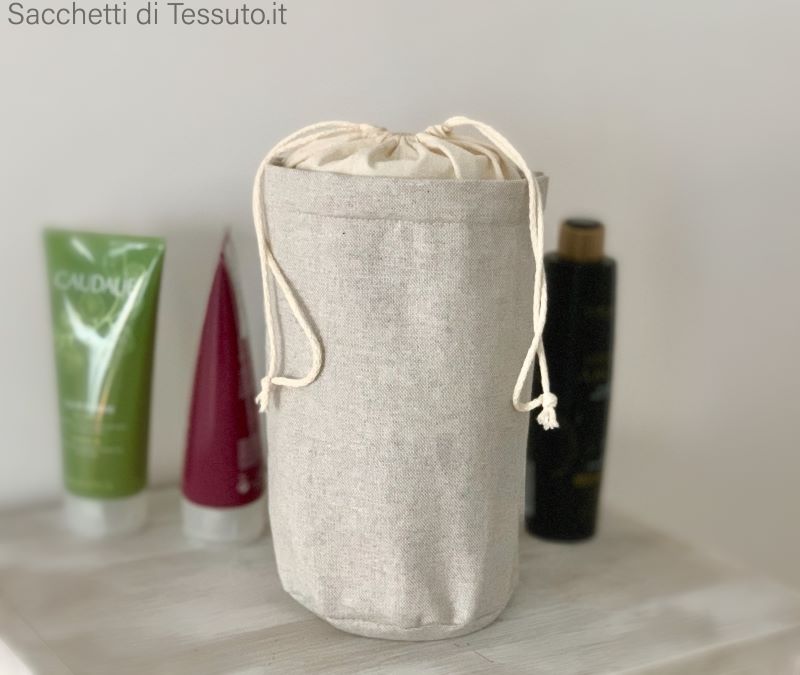
The same range of possibilities also applies when considering the shapes of bags. Certainly, packaging often needs to reflect the shape of the object, but sometimes we can be imaginative and opt for semi-rigid buckets for makeup or a long narrow cover to contain bottles.
3. Choose a tailor-made closure for bags: a detail that can turn a simple bag into a very useful and elegant item
Another way to customise your fabric bags is to choose a custom closure. For a simple and graceful finish, the classic ribbon in the same fabric as the bag is ideal; it can be tied in a bow or slid to facilitate reuse of the bag, with the so-called "candy-style closure".
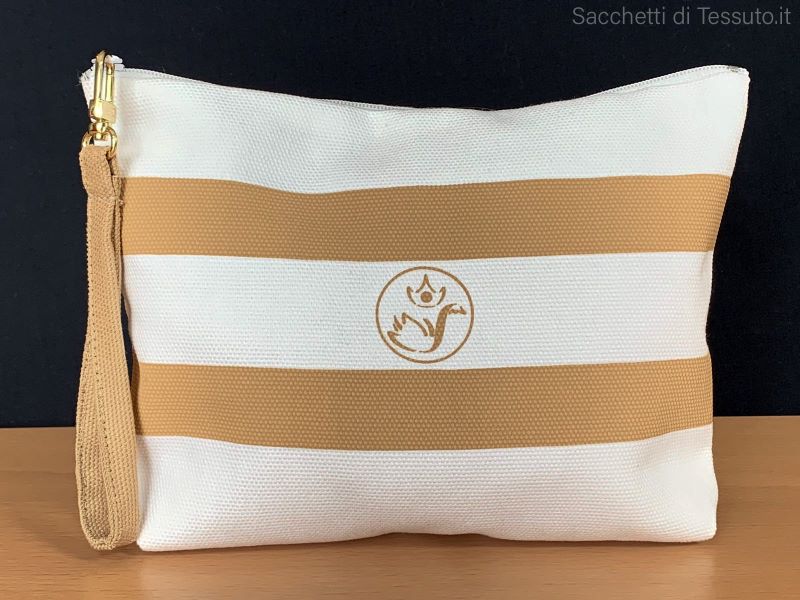
A zipper—visible or concealed—is the ideal closure for pouches and bags that can then be reused as practical containers both for clothing and small items. After all, they can become really useful to avoid losing handkerchiefs, keys, coins, and everything we usually keep to keep a handbag organized.
In some cases, it might be convenient to leave the bag open, avoiding adding a closure that might become inconvenient—for example, when the bag is meant to hold a flower pot or for table use. An intermediate solution is the pocket. The packaging can be designed according to the company’s needs, and one closure option includes creating a sort of fabric pocket that allows the bag to be closed without adding any other element.
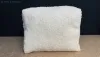
Here's how a simple zipper closure, with a gold zipper pull and handle, can transform a makeup pouch into a handy, elegant wristlet bag:
4. Print your custom bags: images are the most visible and impactful details!
Naturally, the simplest way to customise the fabric bag that will hold our products is printing. In this way, we can place our logo on the packaging, but not only that. Printing one or more designs on your bags can be a way to make a capsule collection recognizable or even to give a small gift to customers who will not only reuse the bag as a handbag or pouch but will use a beautiful and design-oriented item.
There are various printing techniques to choose from depending on your needs. Screen printing—craft or industrial—is perfect for reproducing a design on many different substrates. It maintains vivid colors for a long time and suits both short and long production runs because the printing process is very fast. Then there is hot foil stamping, which uses heat to fix a kind of film on the fabric, without using inks. In this way, one can also achieve effects like glitter or metallic, so it is used for applying colored letters or complex designs on fabrics. Finally, there is digital printing, a process where the design, logo, or text we want to apply on our packaging is printed directly on the fabric without needing a screen (as in screen printing) or a film and press (as in hot stamping).
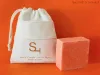
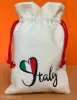
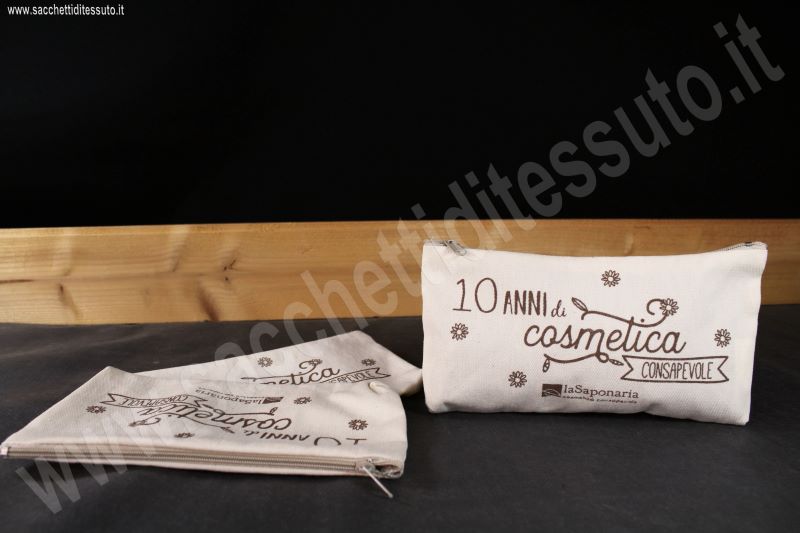
Here is how detailed printing transforms a simple soap pouch into an attractive product for the customer and valuable for the brand:
In any case, we have many options for our custom bags. By paying attention to every detail, we can easily create packaging unique to us that tells the story of our business and is easy for customers to remember!